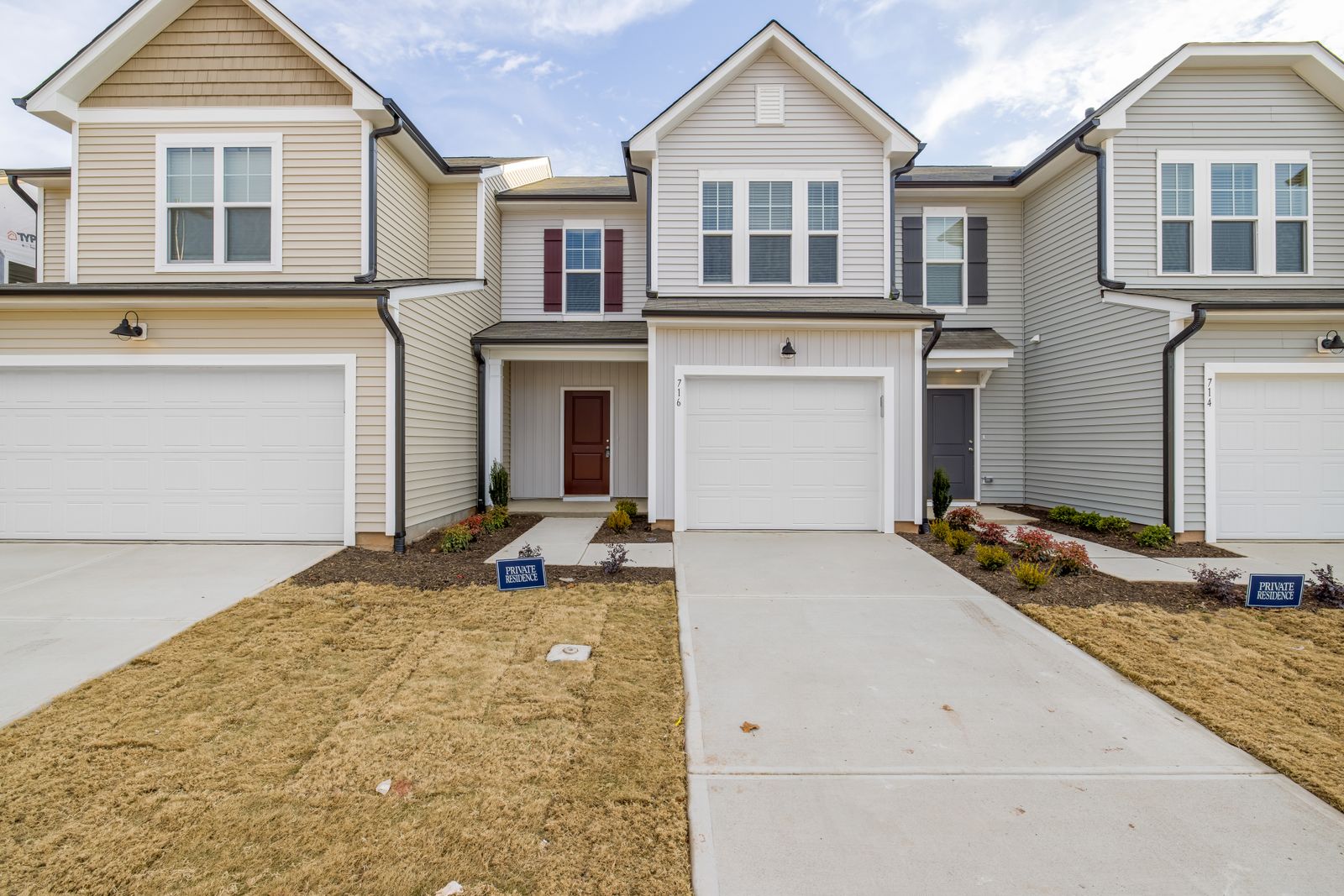
Siding protects exterior walls while shaping the appearance of the house. A siding project can involve choosing a material for a larger replacement, repairing a localized exterior issue or dealing with trim, soffit and fascia at the roof edge.
The first useful distinction is whether the main problem is the siding itself, a related edge/trim component or a condition behind the visible material.
Siding services
Choose the service that matches your project.
Compare Siding Materials
Different siding systems have their own panel or board formats, fastening methods, transitions and maintenance concerns. Identifying the installed or planned material is the first step toward the correct siding service.
Soffit & Fascia at Roof Edges
Soffit and fascia sit at the roof edge rather than in the middle of the wall. Damage there can interact with gutter attachment, ventilation openings and roof-edge water exposure. That is why soffit/fascia has its own page rather than being treated as another siding material.
Siding Questions
How do I know which material page to use?
Use the page that matches the installed or planned siding system.
What if damage is at the eave?
Soffit & Fascia may be the better page when the problem is at the roof edge rather than the wall field.
Can one damaged section be repaired?
Often that depends on the extent of damage and whether replacement material can integrate acceptably.
Full Replacement vs Localized Exterior Repair
A damaged panel or small area does not always justify a whole-house siding replacement. Local repair may fit when damage is contained and compatible material can be integrated. Wider deterioration, repeated failures or a major material change can make broader replacement more practical.
What to Check Behind Existing Siding
The visible siding is only one layer. Moisture staining, deterioration around openings or damage that repeats in the same area may point to a condition behind the cladding. New siding should not simply cover an unresolved problem.
Planning Around Openings and Exterior Details
Siding does not end cleanly in the middle of a wall. It meets windows, doors, corners, soffit, fascia, utility penetrations and the foundation or lower wall transition. Those details are often where moisture or finish problems first become visible, so a replacement plan should account for them from the beginning.
A material change can also affect trim proportions and exterior appearance. Moving from one siding profile to another may change the way corners and openings are finished. Partial repair has the opposite challenge: the new work must meet older material without making the repaired area perform worse or look unnecessarily disconnected.
- Existing siding material if known.
- Walls or elevations affected.
- Visible looseness, cracks, rot, corrosion or impact damage.
- Conditions around windows, doors, corners and lower courses.
- Soffit/fascia or gutter issues near the same area.
- Whether matching an existing material or changing the exterior system.
Choose siding around the wall condition, exposure and maintenance needs. A visible panel defect may also involve the layers or supports behind it, so the assessment should consider more than the outer finish.