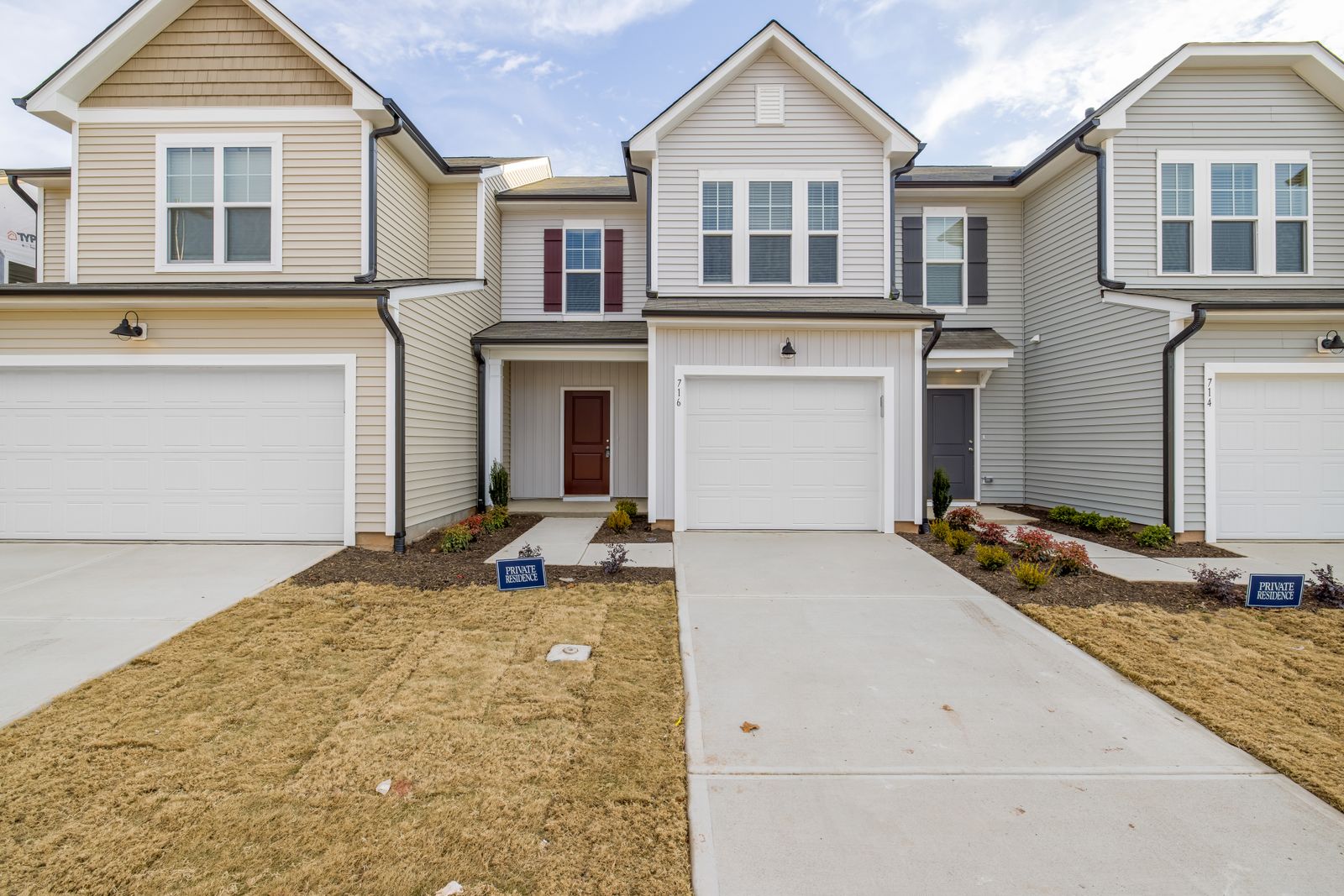
Concrete projects generally fall into two groups: creating or replacing a surface, and repairing an existing concrete or masonry condition. Keeping those paths separate makes it easier to decide whether the project needs new work or a targeted repair.
Concrete services
Choose the service that matches your project.
New Concrete, Replacement and Repair
New installation covers areas where a concrete surface is being created. Remove-and-replace applies when existing concrete is no longer practical to keep and the area needs to be rebuilt. Cracks, broken edges, spalling and localized deterioration may fit repair when the broader surface remains serviceable. Masonry units and joints can create a different repair context from poured concrete flatwork.
Concrete Questions
Which page should I use for a new driveway or patio?
What if the problem is a crack or damaged step?
Start with Masonry & Concrete Repair if the goal is localized repair rather than full replacement.
Does drainage matter?
Yes. Water movement and surrounding grades can affect how a concrete area performs and should be part of project planning.
Surface Use, Base Conditions and Drainage
Driveways, patios, walkways, pads, slabs and steps all use concrete differently. Vehicle loading, walking routes, door transitions, outdoor seating and equipment support create different project considerations. A surface problem may be influenced by what is below or around the concrete. Drainage, settlement, surrounding grade and deteriorated base conditions should be considered rather than treating the visible crack as the only issue. Repair or Replacement?
- Repair may fit when damage is localized and the surrounding surface remains worth keeping.
- Replacement may fit when movement or deterioration affects large areas or repeated repairs no longer make sense.
- New installation applies where a new surface or new layout is being created.
Concrete Problems Are Often About More Than the Surface
A crack can be a surface defect, a sign of movement or a result of water and base conditions. Distinguishing those possibilities matters before a patch is treated as the complete solution.
New work has a different planning sequence. Use, footprint, surrounding elevations and drainage need to be established before form layout and placement. For steps or slabs supporting structures, the future use can affect the project enough that it should be known early.
- Surface type: driveway, patio, walk, slab, pad or steps.
- New area, existing surface or localized damage.
- Settlement, drainage or recurring crack patterns.
- Transitions to garage, door, curb, deck or landscaping.
- What the surface must support.
- Whether the layout/elevation itself needs to change.
Masonry-unit issues and localized concrete damage belong under Masonry & Concrete Repair; full remove-and-replace and new concrete belong under Concrete Installation & Replacement.