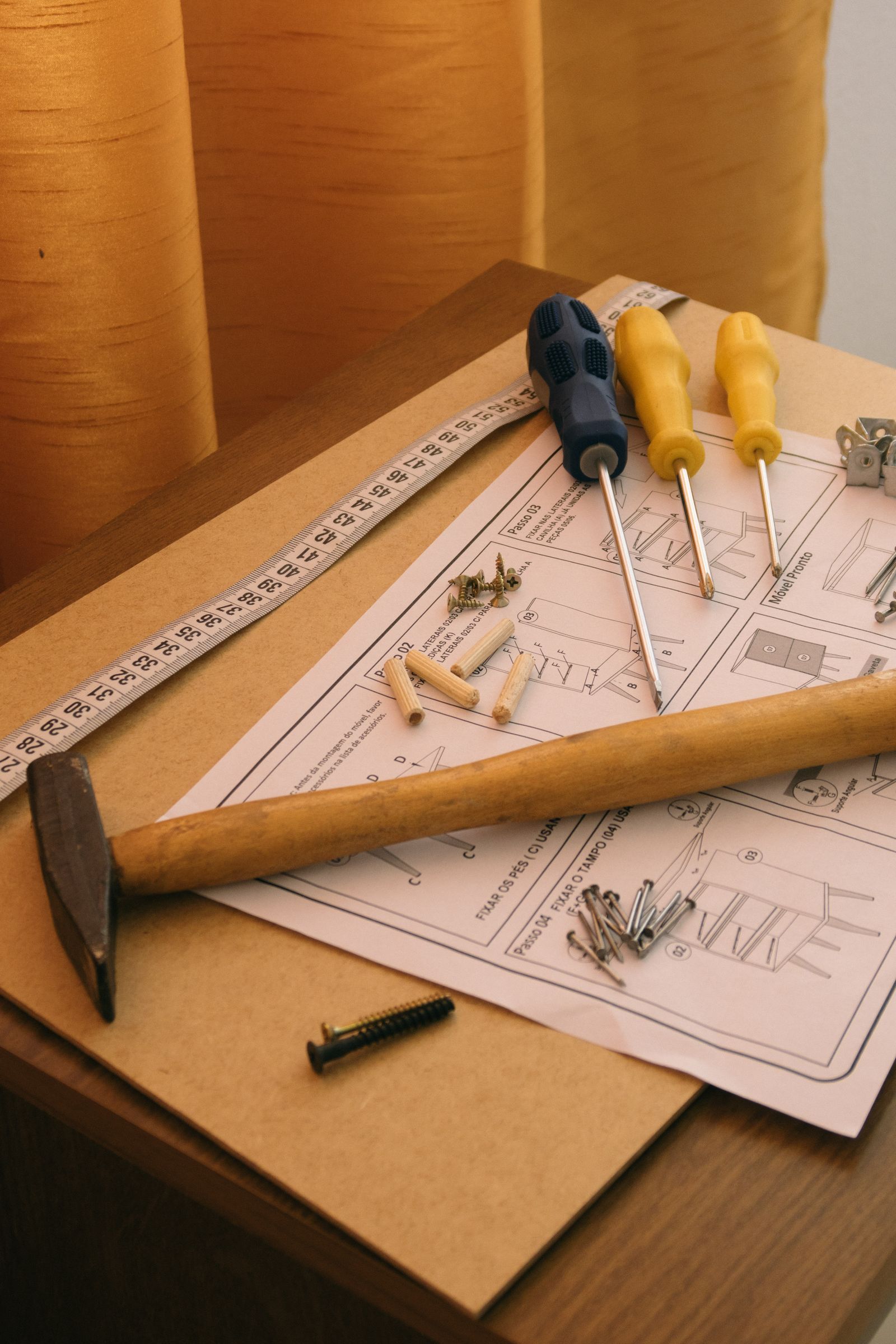
Carpentry can mean a new shelf, matching an existing trim profile, repairing deteriorated exterior wood, adjusting a cabinet run or building storage that fits a specific wall. The finished result, not the word "carpentry," is the best way to choose the right page.
Carpentry & Shelving services
Select a group to see its services. Each service has its own project details.
Trim & room detailsBaseboards, crown molding, casing and wall details.5 services
Cabinets, shelves & hangingStorage, hardware and mounted room features.5 services
General carpentry & repairsInterior, exterior and wood-rot projects.3 services
Start With the Result You Want From the Woodwork
Trim, Built-Ins and Cabinets: Different Carpentry Needs
Finish carpentry depends on profiles, joints and transitions. New work often has to meet existing door casing, baseboard or crown without looking like an unrelated patch. Repair adds the further challenge of finding material that can match older dimensions and profiles closely enough. Freestanding flat-pack bookcases belong under Assembly. Shelving that is attached to the room, spans a wall or integrates with existing trim is a carpentry project because wall support, span and room fit become central.
Cabinet-box installation and repair is different from a hardware-only upgrade. Changing pulls or hinges can often preserve the existing cabinets, while a damaged cabinet box or new cabinet layout belongs to a broader carpentry scope.
Exterior Trim and Deteriorated Wood
Exterior wood is exposed to water, temperature changes and weather. Replacing a rotten piece without understanding why it deteriorated can leave the underlying cause unresolved.
Carpentry & Shelving Questions
What if I do not know the exact trim profile?
The existing piece can be used as the starting point for matching decisions.
When is shelving considered built-in?
When it is planned around a specific wall/room and integrated with support, trim or surrounding architecture rather than simply assembled as furniture.
Matching Existing Carpentry
Repair work becomes more demanding when the new piece has to meet older material. Even when the same nominal size is available, an existing profile may have softened edges, layers of paint or dimensions that differ from current stock. A practical repair should decide where matching matters most and where a clean transition is better than pretending an exact match is possible.
Room conditions can also change the result. Floors may not be perfectly level, walls may not be straight and openings may be slightly out of square. Finish carpentry works around those real conditions instead of assuming a perfect new-construction shell.
Use the site chat with the component, material if known and whether the goal is repair, matching existing work or creating something new.