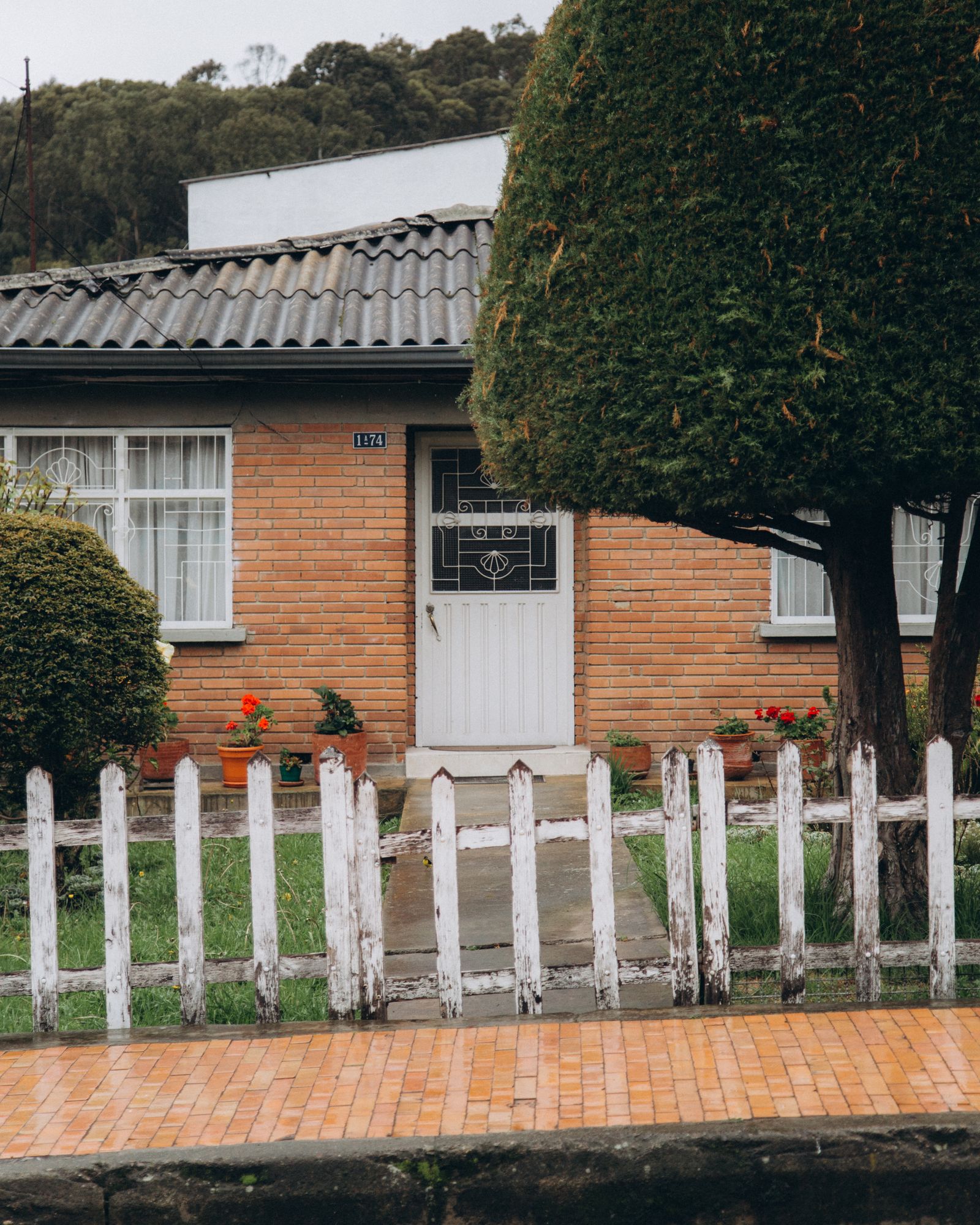
A fence project usually starts with a practical goal rather than a material name. You may want more privacy around a backyard, a secure area for a dog, a clearer property boundary, a durable commercial perimeter or a replacement for sections that have begun to lean, rot or loosen. The right fence depends on how the property is used as much as how the finished fence should look.
Explore fence installation and repair in Champaign, compare the main materials, and consider whether an existing fence needs localized repairs or a larger replacement.
Fencing services
Choose the service that matches your project.
Choose the Right Fence for the Property and the Goal
Different fence materials solve different problems. Privacy, visibility, maintenance, impact resistance, appearance and budget priorities all affect the choice. Existing site conditions matter too: slopes, gates, transitions to other fences and the condition of current posts can change what a straightforward replacement looks like.
Fence Repair Does Not Always Mean Full Replacement
A fence can look tired without every component being at the end of its useful life. One section may lean because a post has failed. A gate may no longer align with the latch. A few wood pickets or rails may be deteriorated while the rest of the run remains stable. In those situations, targeted repair can be worth evaluating before assuming the entire fence should come out.
The opposite can also be true. Repeated post failure, broad material deterioration or a layout that no longer serves the property may make piecemeal repair less practical. The decision should be based on how much of the fence is affected and whether new work can integrate cleanly with what remains.
Planning a New Fence
A new installation begins with the area the fence needs to serve. That may be a backyard perimeter, a side-yard enclosure, an access-control point, a commercial property edge or another defined run. Gates, corners and transitions are part of that plan, not afterthoughts.
Material choice comes next, but the site still matters. Grade changes, existing landscaping, adjacent structures and the way people or vehicles move through the property can influence the layout. A good plan should also make clear whether existing fence removal, repairs to adjoining sections or finishing work are part of the same scope.
- Project usePrivacy, pet containment, property boundary, decorative frontage, commercial perimeter or another goal.
- Existing conditionNew open area, old fence to remove, partial replacement or repair to a current run.
- Material pathWood, vinyl, chain-link, ornamental/metal or commercial system.
- Access pointsPedestrian gates, wider access and transitions to buildings or existing fence.
- Site conditionsSlopes, corners, landscaping and other features that affect the route.
Fence Finishing and Ongoing Appearance
Wood fencing can create a separate finishing question. If the main structure is sound but the surface is weathered or unfinished, painting or staining may be the actual project rather than fence replacement. That is why fence finishing has its own service path.
Metal, vinyl and chain-link fences have different maintenance concerns, so the right upkeep depends on the material and its condition. The material-specific pages explain the issues that matter for each fence system.
Residential and Commercial Fencing Are Different Project Contexts
A residential fence is often organized around privacy, pets, appearance and yard access. A commercial or industrial fence may place more weight on perimeter control, durability, longer runs and access points. For a business or industrial property, explore commercial fencing with the perimeter, access points and day-to-day use in mind.
Fencing Questions
Can an existing fence be repaired instead of replaced?
Often the first step is to determine how localized the failure is. Stable posts and rails around a damaged section can support a different decision than widespread deterioration.
Which fence is best for privacy?
Privacy depends on the layout and material system. Wood and vinyl are common privacy-oriented paths, but the right choice also depends on appearance, maintenance and the property itself.
Where do gates fit?
Gates are part of the fence layout and should be considered with access needs, material and the surrounding run rather than treated as an unrelated afterthought.
What if I already know the material I want?
Go directly to the wood, vinyl, chain-link or ornamental/metal page for a more specific discussion.