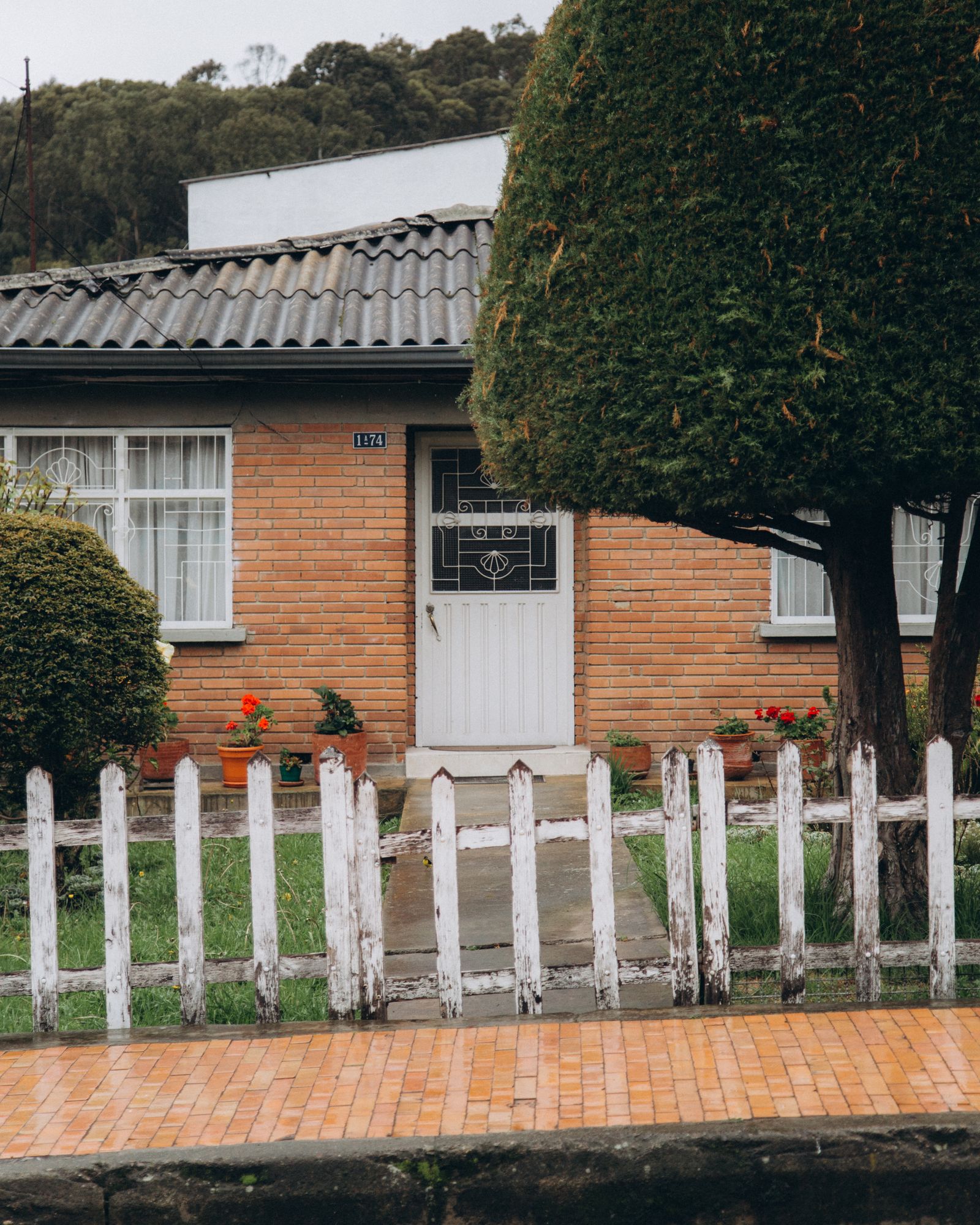
Wood fencing can create privacy, define a yard or provide a traditional boundary that can be repaired in sections when the rest of the structure remains sound. Because the fence is built from individual posts, rails, pickets or panels, the condition of those components matters more than the age of the fence alone.
Privacy, Picket & Custom Wood Layouts
The project should start with the use of the fence. A privacy fence relies on continuous boards or panels. A picket fence creates a more open boundary. Other layouts can combine different board spacing, heights and gate locations.
Posts, Rails, Pickets & Panels
Posts carry the fence, rails connect the structure and boards or panels create the visible field. One component can fail without the entire run being beyond repair. A leaning section may point to posts. Loose or sagging boards can come from rails or fasteners. Localized rot may affect one area more than another.
Wood Fence Questions
Can one rotten section be repaired?
Often yes, if posts and rails around it remain serviceable.
Does staining belong in this service?
Structural work and finishing are related but distinct. Use Fence Painting & Staining when the structure is sound and finish is the main need.
Rot, Leaning Sections & Localized Repairs
Wood is vulnerable to moisture and weathering. Repair decisions should consider whether deterioration is isolated or repeated. Replacing individual boards makes sense when the supporting structure remains stable; replacing boards on a run with failing posts does not solve the real problem.
Partial Replacement, Appearance Matching and Finishing
A new run gives freedom to choose layout and style. Partial replacement has to meet an existing fence, so dimensions, board style and finish can matter more. An exact visual match may not always be possible when the original material has aged or is no longer available. Painting or staining is a separate finishing service. If the fence is structurally sound but weathered, that page may fit better than installation or structural repair.
What Makes Wood-Fence Repair Different From Finishing
Wood repair is about material and structure. A stain can improve the appearance of weathered boards, but it cannot stabilize a loose post or replace decayed rail ends. Movement, soft material and failed connections need attention before surface finish is discussed.
Partial replacement can also create appearance differences because new lumber starts with a different color and moisture condition than an older fence. That does not make repair inappropriate, but it should be part of expectations when one section is being rebuilt.
- Fence style and approximate run affected.
- Posts that lean or move.
- Rails that sag or have rot at connections.
- Boards/pickets/panels that are split or missing.
- Gate alignment problems.
- Existing paint or stain if finish work is also planned.
- Whether matching an older fence is important.
A new wood fence should also be planned around gates, grade and the desired amount of privacy. These decisions influence post layout and board/panel organization before installation begins.