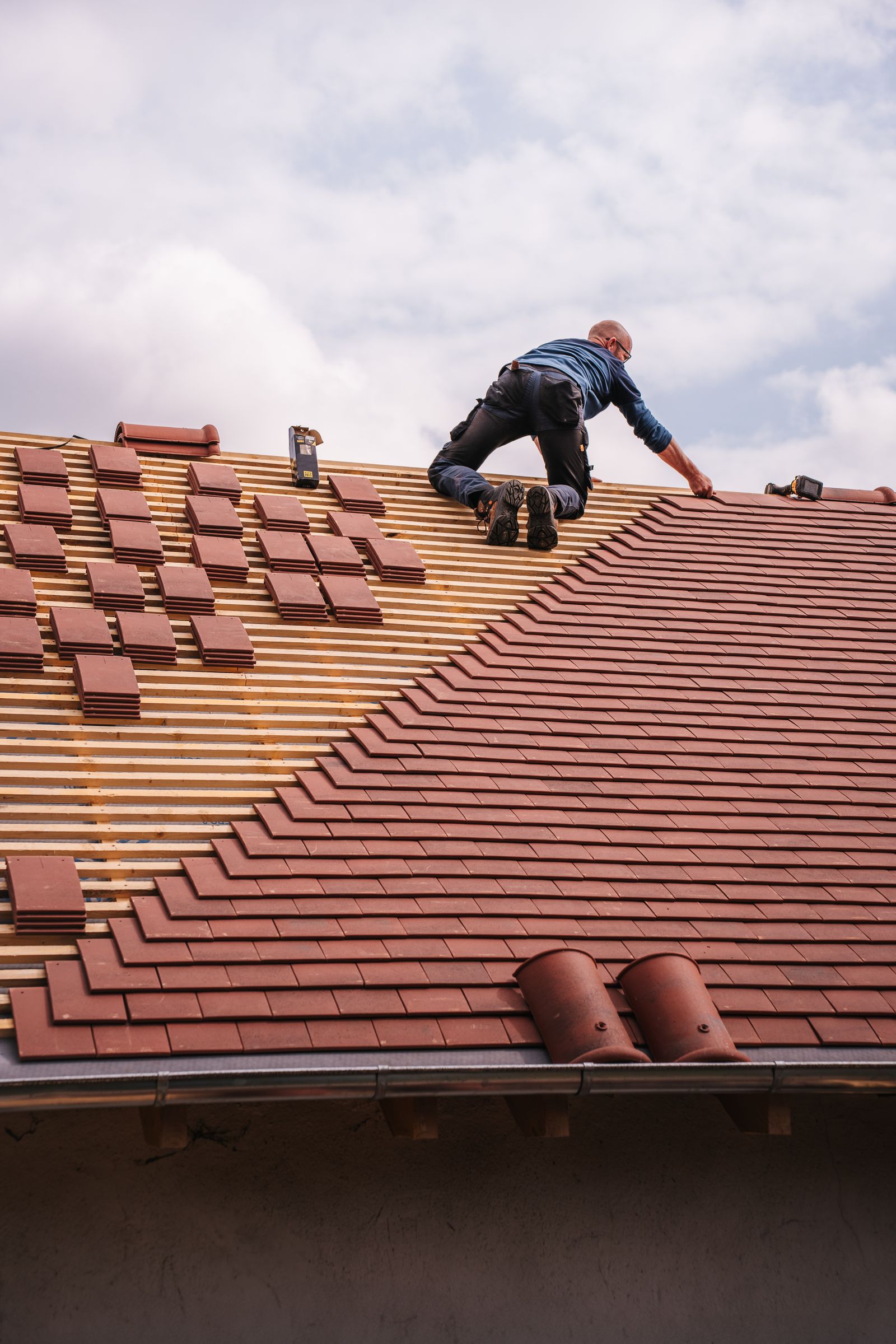
Roofing projects begin with two basic questions: what condition is the current roof in, and what kind of roof system is involved? A visible leak does not automatically mean replacement, while an aging roof with repeated problems may no longer be a good candidate for isolated repairs.
This hub helps separate repair, replacement and material-specific roofing needs so visitors can move to the right page without forcing every roof problem into one generic service.
Roofing services
Choose the service that matches your project.
Start With the Roof's Condition
An existing roof with one localized issue should be evaluated differently from a roof showing widespread deterioration. Missing shingles, flashing problems or a small weather-damaged area may fit a repair path. Repeated leaks, broad material failure or a roof that no longer supports practical localized fixes may shift the conversation toward replacement.
- Localized problemStart with Roof Repair.
- Broad deterioration or planned full replacementStart with Roof Replacement & Installation.
- Material is central to the projectUse Asphalt Shingle, Metal or Flat & Low-Slope Roofing.
- Problem is concentrated at a chimney or roof transitionReview Chimney Repair & Replacement.
- Storm affected multiple exterior systemsUse Storm Damage & Exterior Repairs.
Roofing Questions
Does a leak always mean replacement?
No. A leak is one symptom. The extent of deterioration and the condition of the surrounding roof determine whether repair or replacement should be discussed.
How do I choose between material pages?
Use the material page when the roofing system itself is known and central to the project.
What if the roof problem is near a chimney?
Start by separating the roofing transition from chimney masonry or component damage.
Compare Roofing System Types
The roof material changes how the project is discussed. Asphalt shingles, metal roofing and flat or low-slope systems have different details, transitions and repair considerations. Material-specific services cover those differences in greater depth.
What a Roofing Conversation Should Clarify
A useful roofing discussion should establish the roof area, known material, visible symptom and whether the issue appears to be one location or a pattern. Interior water staining is useful evidence, but it is not a diagnosis by itself. Likewise, visible exterior damage may need to be related to nearby flashing, penetrations and roof edges before scope is clear.
For planned replacement, the conversation shifts from symptom to system: existing material, roof geometry, transitions, ventilation and the desired replacement material. Repair and full replacement therefore require different planning even though both begin in the roofing category.
- Known roof material and approximate affected area.
- Visible leak, missing material, flashing concern or general aging.
- Whether problems have happened more than once.
- Chimneys, walls, vents or other transitions near the issue.
- Whether recent severe weather affected other exterior systems.
- Whether the goal is repair, evaluation or planned full replacement.
If water appeared inside after rain but the source is unknown, the useful next step is to describe the symptom and evaluate the roof rather than assume a specific failed component.
Chimneys, Roof Transitions and Wider Storm Damage
Water entry near a chimney does not always mean the chimney itself is failing, and a chimney problem does not always belong to ordinary roof repair. Flashing and roof-to-chimney transitions can be part of a roofing project, while masonry, cap or structural chimney damage should remain in the chimney service scope. Wind, hail and severe weather can affect roofing along with siding, gutters, windows, doors or fencing. If the damage crosses several systems, the storm-damage page is a better starting point than trying to force the whole property into the roof-repair page.