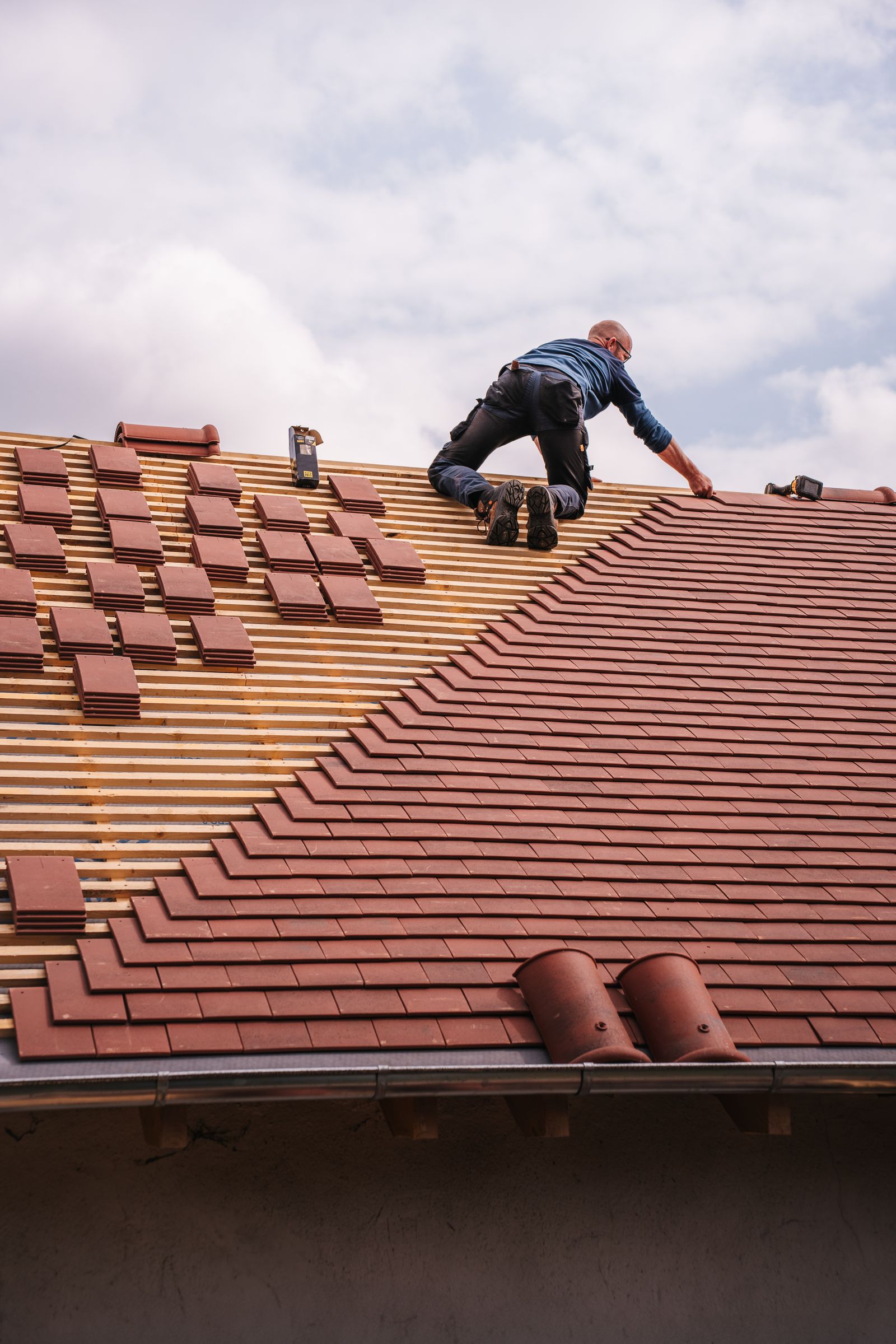
Asphalt shingle roofing is a complete steep-slope system, not only a field of individual shingles. The shingles work with underlayment, flashing, ventilation, edges and penetrations, so material-specific planning needs to consider the whole assembly.
Shingle Condition & Damage Patterns
Missing shingles, lifted edges, cracked or damaged areas and repeated localized problems can all lead to different repair decisions. A few damaged shingles are different from broad deterioration across several roof planes.
- Localized missing/damaged shinglesEvaluate focused repair.
- Repeated damage across slopesConsider whether broader replacement is becoming more practical.
- Flashing/penetration issueSeparate transition repair from shingle field condition.
- Storm-related lossRoute multi-system exterior damage through the storm page where appropriate.
Shingle Styles & System Components
Shingle products vary in profile and appearance. Choose a compatible system for the actual roof and review the selected product’s specifications and warranty terms.
Asphalt Roofing Questions
Does one missing shingle mean replacement?
No. The extent and surrounding roof condition matter.
What if the roof is leaking but I do not know the cause?
Start with Roof Repair.
Underlayment, Flashing & Ventilation
Replacement work should integrate all roof layers and transitions. Repair work may still need localized flashing or underlayment attention around the damaged area.
Localized Repair vs Full Replacement
The material page supports both, but Roof Repair remains the primary page for symptom-led localized repair. Whole-roof replacement belongs to Roof Replacement & Installation.
Shingle Repair Also Depends on Access and Roof Geometry
A damaged area near a valley, wall or steep transition can require a different repair approach from an open roof plane. The surrounding geometry affects how safely and cleanly the damaged shingles can be reached and integrated.
Color and weathering differences are also normal considerations in partial repair. New shingles may not visually match an older roof exactly even when the product type is compatible. That should be treated as a repair expectation rather than proof that replacement is required.
Why the Surrounding Shingle Field Matters
Replacing one shingle is most successful when nearby shingles can be worked with without causing additional damage and when the replacement material can integrate reasonably with the existing roof. Older or brittle surrounding material can change that repair calculation.
The visible color match is only one part of compatibility. Profile, size and system condition matter too. If broad areas are nearing the same failure point, a small repair may solve today's symptom without addressing the overall roof condition.
- Localized missing/damaged shingles vs widespread wear.
- Leak location relative to visible shingle damage.
- Age/condition only if actually known, not guessed.
- Flashing/vent/valley transitions nearby.
- Recent storm exposure.
- Repair history across the same roof.
- Whether full replacement is already being considered.