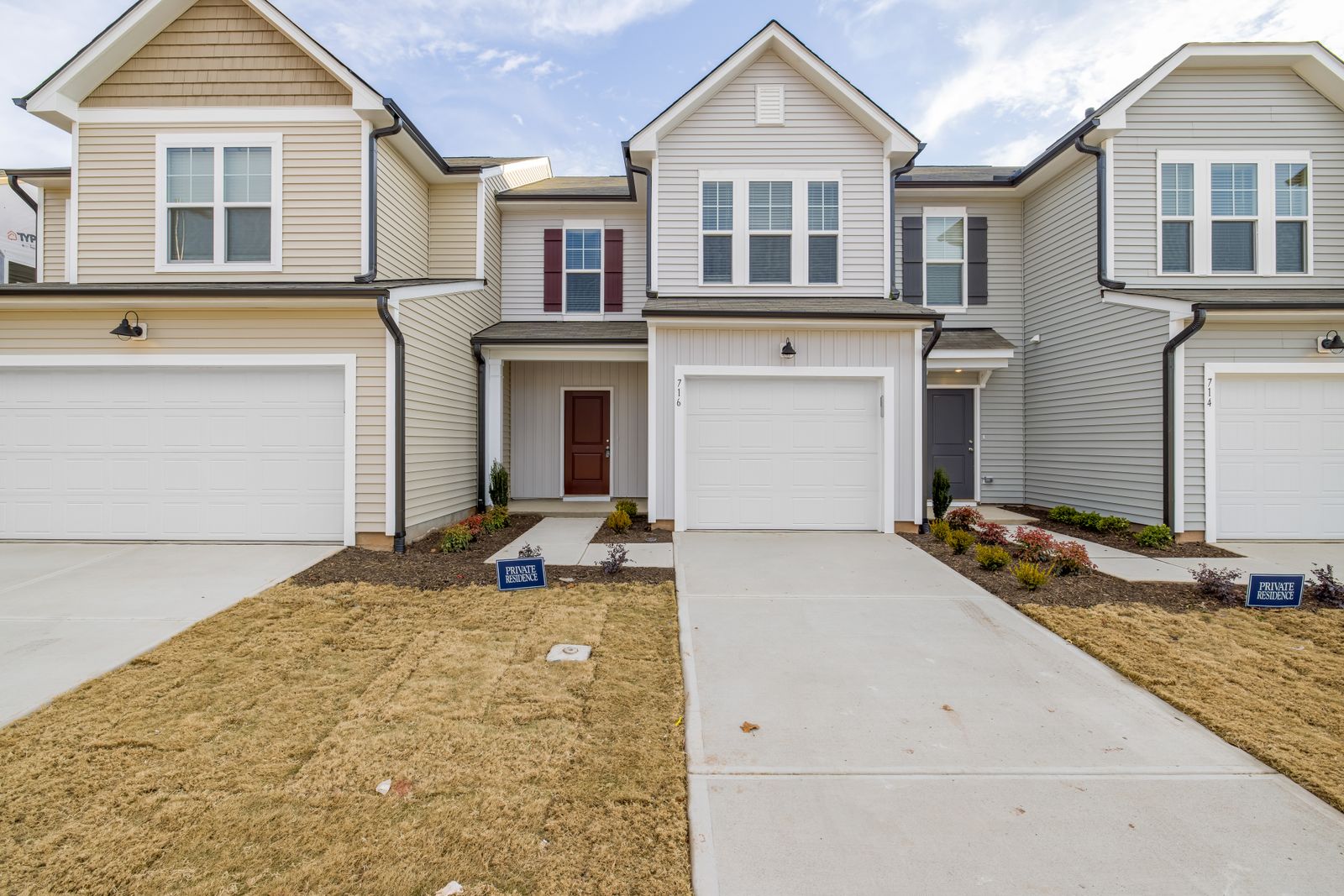
Soffit and fascia sit at the roof edge where siding, gutters, roof structure and ventilation can meet. Because several systems connect there, a damaged eave should be identified by component before it is treated as generic siding repair.
Soffit vs Fascia
Soffit is the underside of the roof overhang. Fascia is the vertical board or trim at the roof edge, often where gutters attach.
Damaged Roof Edges, Ventilation and Gutter Connections
Damage may be localized to one section or repeat across a longer roof edge. Loose panels can be different from wood deterioration beneath them. Soffit openings may be part of the roof/attic ventilation strategy. Repair should preserve intended ventilation rather than simply covering openings. A failing gutter can damage fascia, and deteriorated fascia can make gutter attachment unreliable. Gutter and fascia work may need to be coordinated so the repaired roof edge can support the gutter and direct water correctly.
Repair vs Section Replacement
Look for the Cause at the Roof Edge
Soffit or fascia deterioration can be caused by more than simple age. Overflowing gutters, roof-edge leaks or repeated wetting can damage replacement material if the source is not corrected first.
Ventilation is another reason not to treat soffit as decorative trim. Vented panels or openings may support attic airflow and should not be blocked by a repair that only focuses on appearance.
- Soffit, fascia or both.
- Wood, metal/vinyl panel or other material if known.
- Rot, loose panels, dents or missing sections.
- Gutter attachment and overflow near the damage.
- Roof-edge water symptoms.
- Existing soffit ventilation openings.
- Need to match surrounding finish.
When the problem extends across wall siding, siding repair may be the appropriate service. When gutter attachment is central, gutter repair may need to happen first.
Material Matching Can Matter on Partial Eave Repair
Replacing one fascia board or a few soffit panels can be visually noticeable if the profile, width or finish no longer matches the rest of the eave. A repair can still be practical, but the transition should be planned deliberately.
Where several eave components are damaged in the same area, the project may need to coordinate soffit, fascia and gutter work rather than treating them as unrelated patches.