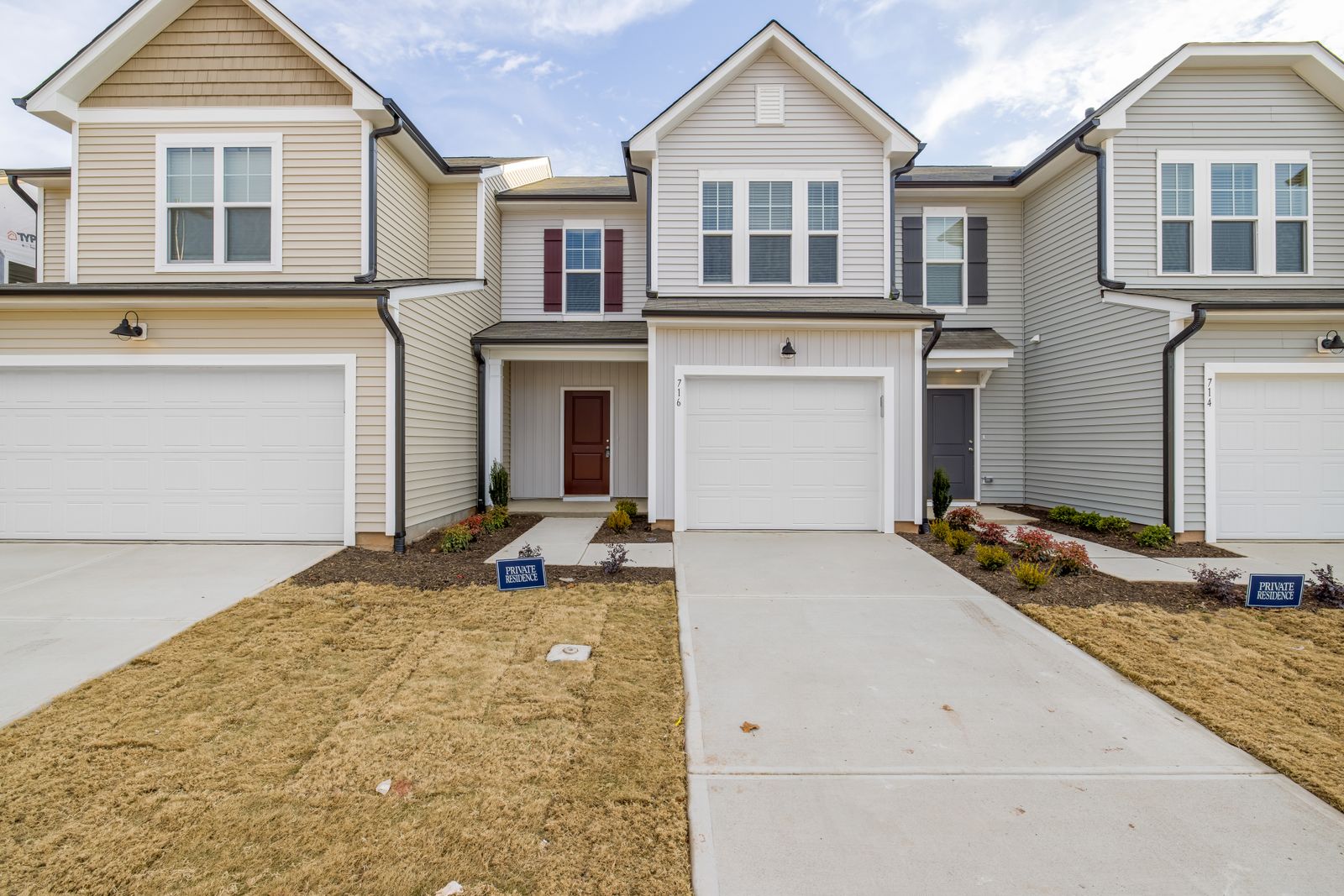
Metal siding uses profiles and fastened panels that create a different repair and replacement context from vinyl, fiber cement or engineered wood. The work depends on panel condition, fastening, trim and transitions.
Existing Panels, Fasteners & Corrosion
A loose panel, visible fastener issue, dent or corroded area should be separated from wider wall deterioration. The condition of the surrounding panels and substrate affects whether a localized repair is practical.
- Loose panelEvaluate attachment and neighboring panels.
- Dent/impact damageDetermine whether one panel can be replaced.
- CorrosionCheck whether it is localized or repeated.
- Transition damageReview corners, openings and trim rather than the panel field alone.
Panel Matching, Exterior Transitions and Replacement Scope
Matching an existing profile can be a constraint on partial replacement. A new installation or full replacement offers more freedom to choose profile and finish. Window and door openings, corners, roof edges and utility penetrations are all places where metal panels meet other components. Those transitions need to be planned as part of the system. Localized repair may fit one damaged area. Widespread corrosion, repeated attachment problems or a planned material/appearance change can make broader replacement more appropriate.
Transitions Can Be More Important Than Open Wall Areas
Corners, window/door trim and roof-to-wall intersections are places where metal siding has to meet another material. Damage or loose trim at those interfaces can allow water behind otherwise sound panels.
When a full replacement is planned, these transitions should be redesigned as part of the new system instead of simply reproducing a failed detail.
Profile Matching Can Control a Local Repair
Metal siding panels can have specific rib spacing, locking edges or profiles. A damaged panel may be replaceable only when a compatible panel can be integrated with the adjacent run.
Corrosion also deserves context. Surface finish deterioration is different from corrosion that has weakened panel edges or fastener areas. Impact damage may be cosmetic or may distort how panels connect.
- Panel profile and orientation.
- Dent, loose panel, corrosion or missing section.
- Fastener condition.
- Trim/corner/opening transitions.
- Existing finish/color.
- Underlying wall condition if exposed.
- Need for local repair vs broader replacement.
The scope remains narrowly material-specific: panel profile, fastening, corrosion, trim and repair-versus-replacement conditions.