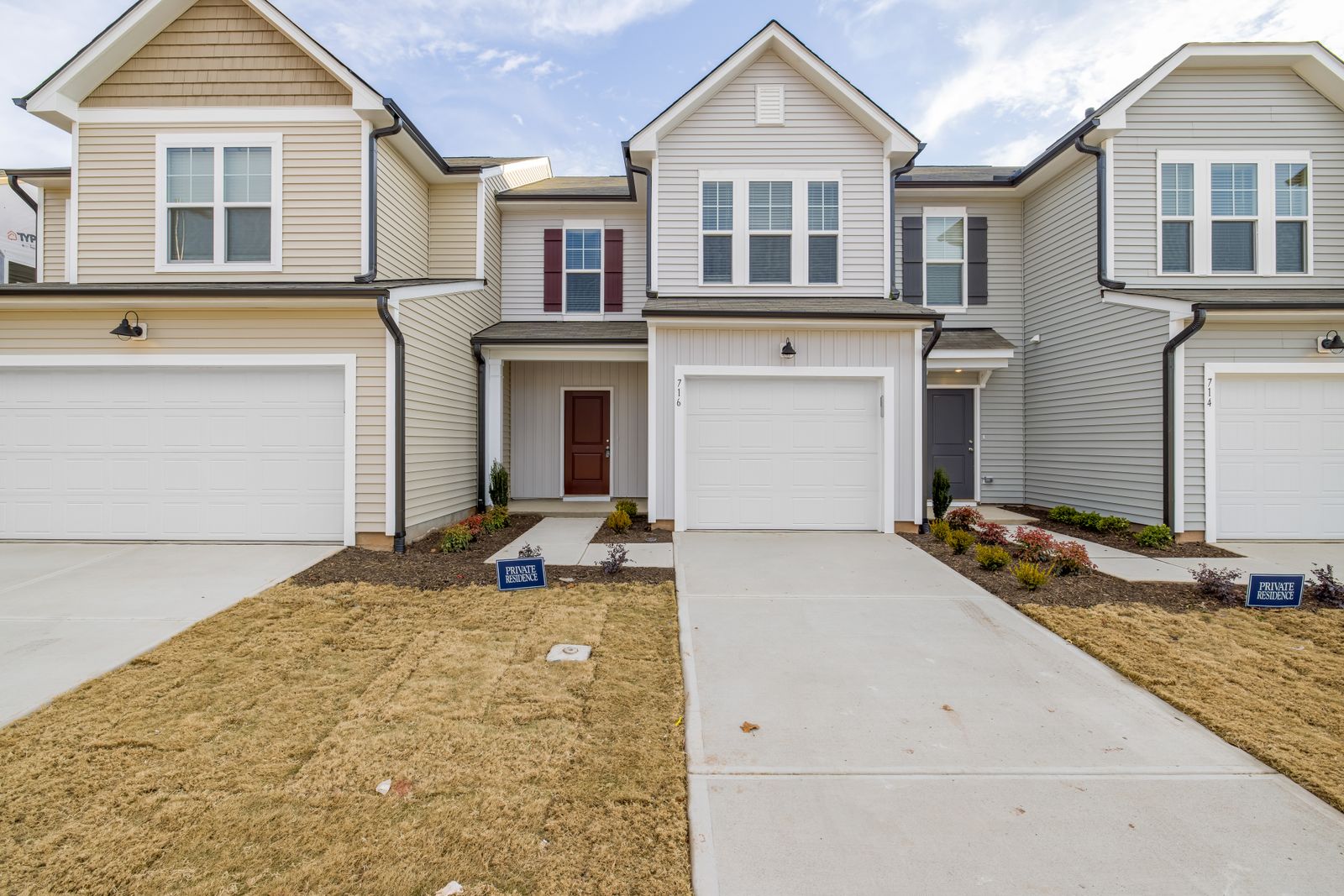
Vinyl siding is a panel system that depends on wall preparation, trim channels, corners and transitions around windows, doors and roof edges. A replacement project should account for those details rather than focusing only on panel color.
Existing Siding & Wall Condition
Before new siding covers the wall, damaged substrate, moisture staining or deteriorated areas should be identified. New vinyl should not be used to hide unresolved wall conditions.
Profiles, Texture, Color & Trim
Exterior Transitions, Moisture and Replacement Scope
Windows, doors, utility penetrations and roof edges create transitions that need careful integration with the siding system. The siding itself is only one part of the exterior wall. Water-resistive layers and flashing conditions behind or around openings should be respected as part of replacement planning. A few damaged panels may allow localized replacement if matching material is available. Widespread cracking, fading, deformation or incompatible old profiles can push the project toward a broader replacement.
Partial Replacement Depends on Profile Availability
Vinyl profiles, colors and surface textures can change over time. A panel that is physically repairable may still be difficult to match visually or dimensionally. This matters most on isolated repairs next to highly visible existing siding.
Expansion and contraction also mean panels should not be treated like rigid interior wall boards. Installation details need to allow the selected system to behave as intended.
- Existing profile and color if known.
- Walls/elevations involved.
- Localized crack, impact damage or broad replacement.
- Loose or distorted panels.
- Condition around windows/doors/corners.
- Evidence of moisture or substrate damage.
- Need to match existing siding vs complete material change.
A whole-exterior replacement can coordinate trim and color more consistently; a localized repair should minimize unnecessary removal while respecting the existing system.
Existing Siding Removal Can Reveal New Scope
Once damaged panels are removed, the wall behind them may show sheathing or water-resistive layer problems that were not visible from the outside. Replacement planning should allow for that possibility without assuming hidden damage exists on every project.
On a full replacement, trim and accessory pieces can be coordinated as part of the same system rather than forced to match an older installation detail.