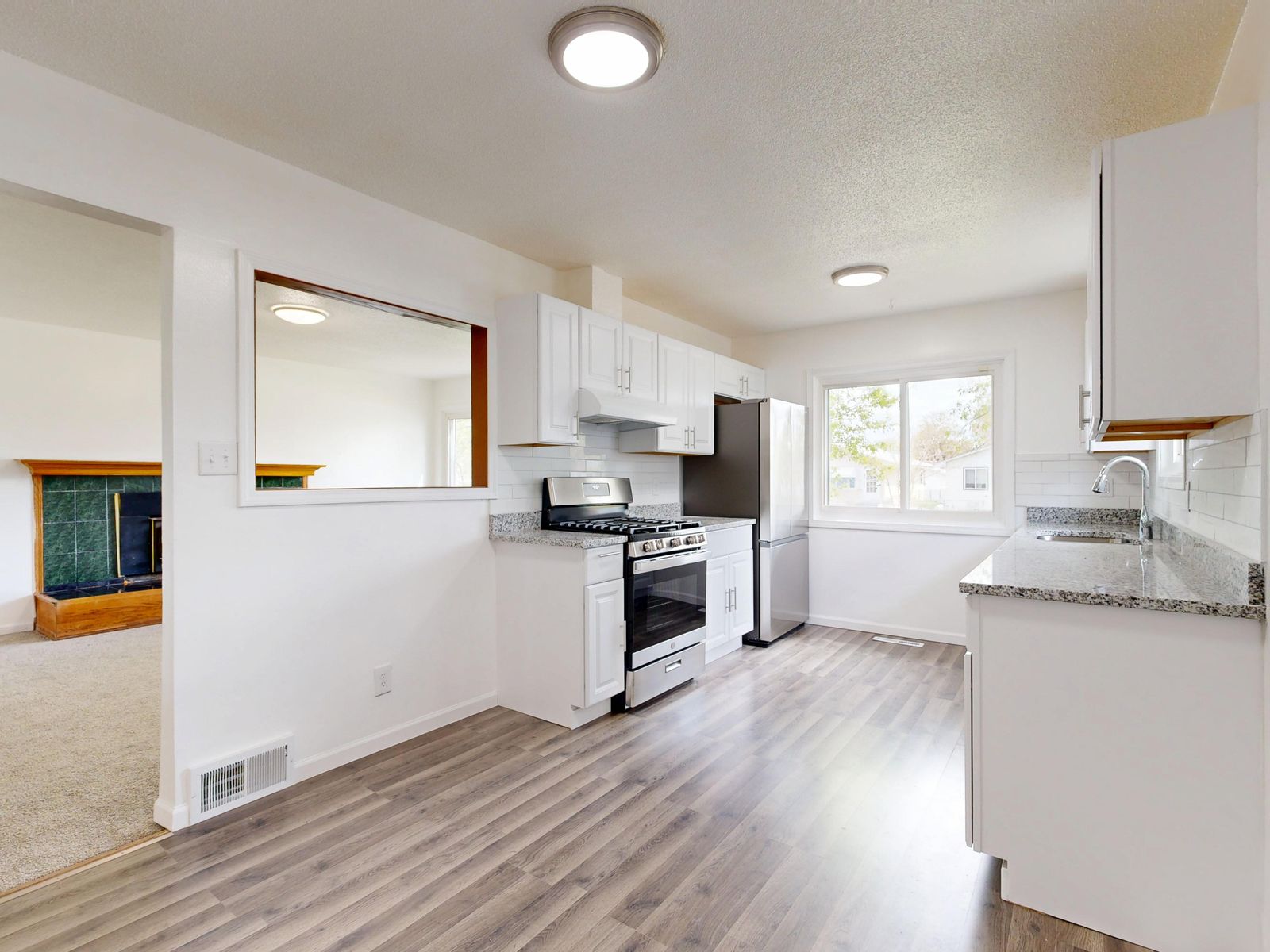
Backsplash removal is not simply the reverse of installation. Tile, panel, adhesive or mortar can be strongly bonded to the wall, and the removal can expose damaged drywall or another substrate that needs repair before the next finish.
What Material Is Being Removed?
- Ceramic/porcelain tile.
- Stone or mosaic.
- Adhesive panel.
- Peel-and-stick product.
- Unknown existing finish.
Protect Counters, Cabinets & Fixtures
Countertops, cabinet faces, outlets and fixtures sit directly beside the work area. Protection should be planned before demolition begins.
Adhesive, Mortar & Wall Condition
Some materials release cleanly; others take the paper face of drywall or leave ridges that must be repaired.
- Wall ready for minor prep.
- Adhesive/mortar residue.
- Torn drywall paper.
- Larger drywall damage.
- Unknown substrate exposed.
- Moisture/deterioration discovered.
Wall Readiness Between Removal and the Next Finish
The required wall condition depends on what comes next. Paint, new tile and panel products do not all need the same substrate. Keeping the two services separate makes the wall-repair stage visible instead of hiding it inside one combined promise.
Backsplash Removal Questions
Can removal be guaranteed damage-free?
No.
Does this include the new backsplash?
Installation is a separate service.
The next finish should influence how far wall repair goes. A painted wall generally needs a broader smooth finish than a new tile backsplash that can tolerate some substrate treatment beneath its adhesive system, though the wall still needs to be sound and suitable.
- Existing material removed.
- Adhesive/mortar residue assessed.
- Drywall/substrate damage mapped.
- Outlets/switch areas intact.
- Counter/cabinet protection removed only after cleanup.
- Next finish selected.
- Wall repair level matched to next finish.
The removal can also expose the edge of countertop caulk or trim that was hidden by the old backsplash. Those joints may need to be renewed only after the wall and next finish are ready.
Where cabinets sit directly above the backsplash, removal should preserve the cabinet finish and avoid levering against the underside as a demolition surface.
Use the site chat with the existing backsplash material, wall area and what finish is planned afterward.