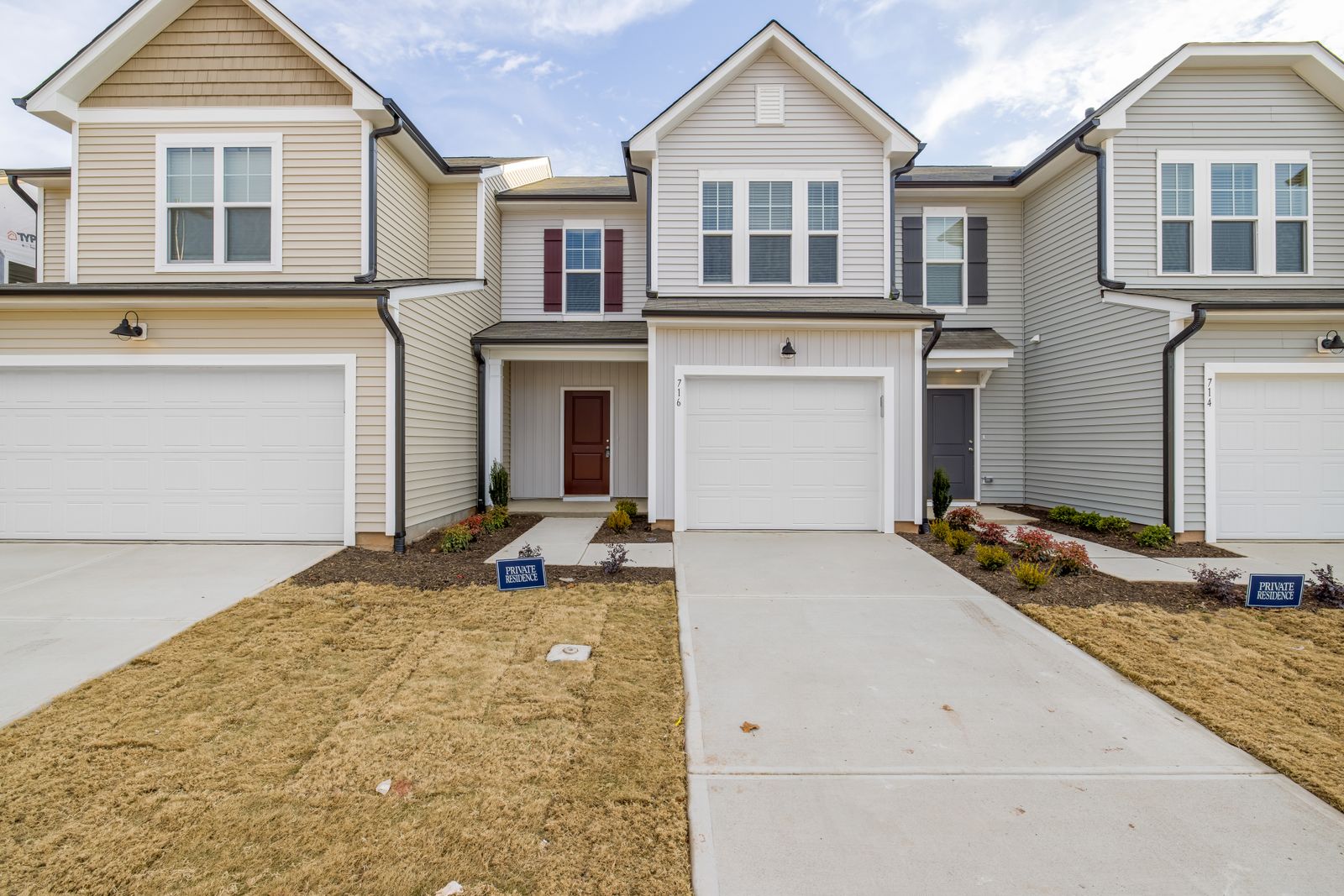
A seamless gutter project is a new drainage system, not only a replacement for visible metal at the roof edge. Runs, corners, outlets, downspouts, fascia condition and final water direction should be planned together.
Gutter Layout, Runs & Corners
The roof edge determines where gutters collect water, while building corners and roof intersections affect run lengths and outlet placement.
Slope, Outlets & Downspout Placement
Water needs a clear route from the gutter into the downspout. Downspouts should also discharge where runoff can move away appropriately.
Partial Replacement Can Create Transition Questions
Replacing one gutter run while keeping adjacent sections may require matching profile, color and outlet locations. The connection between old and new work should be considered rather than assuming every run can be treated independently.
If fascia repair is needed under the same area, that work may need to precede final gutter attachment.
Material, Profile & Finish Choices
Available gutter profile and finish should coordinate with the building and project requirements. Size and capacity depend on the actual roof and drainage layout rather than one universal rule.
New Gutters, Repairs or Guards?
A localized leak belongs to repair. Debris problems on a sound system may fit guards. A new seamless project is appropriate when a full run/system is being installed or broadly replaced.
Downspout Placement Should Follow the Roof Layout
Long gutter runs can collect significant runoff, and outlet placement influences how effectively that water reaches downspouts. Corners, roof intersections and lower roof areas should be considered rather than using symmetrical downspout placement by default.
The discharge route matters after the downspout reaches the ground. Extensions or other drainage solutions may be needed to move water to an appropriate location.
- Roof-edge lengths/areas.
- Existing gutters to remove or no current system.
- Fascia condition.
- Preferred profile/finish.
- Downspout locations and discharge paths.
- Problem areas with current overflow.
- Guard integration if desired.
- Roof-edge transitions and corners.
New gutters manage roof runoff, but they do not by themselves solve grading or foundation-water problems outside the gutter system.