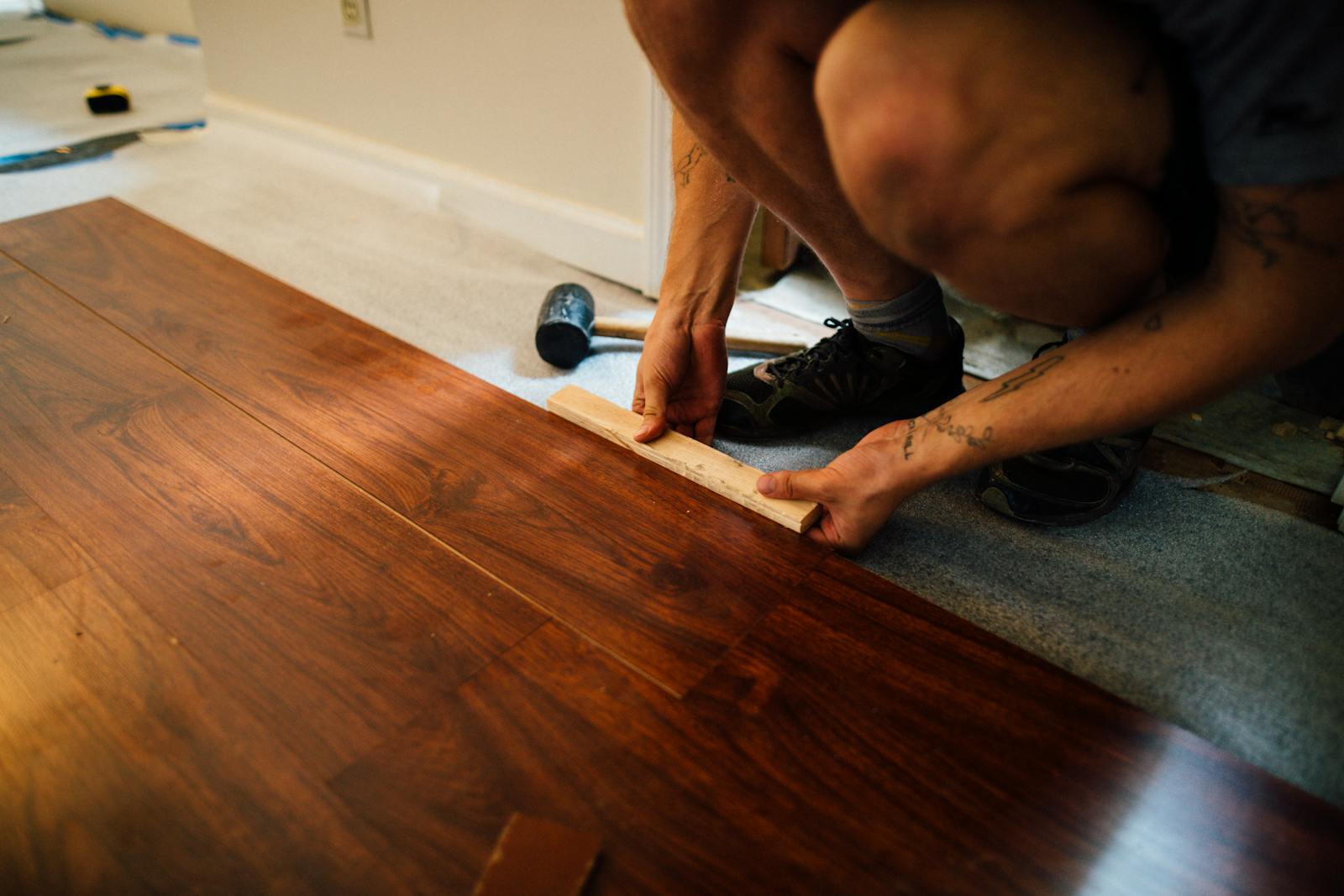
Tile is a finish layer supported by a substrate or backer system. When tile cracks, loosens or sounds hollow, the visible tile can be only part of the problem.
New Tile vs Existing Damage
- New floor or wall tile.
- One/few cracked tiles.
- Loose/hollow tile.
- Grout-only issue.
- Repeated cracking.
- Larger retile.
Stable Tile Support, Layout and Damage Patterns
Movement below the tile can cause repeated cracking or loose pieces. New tile should begin with an appropriate, stable substrate rather than treating the tile itself as structural. Doorways, walls, fixtures and changes in flooring material determine where cuts and edges become visible. One impact-damaged tile is different from a pattern of cracks across several tiles. Repeated damage can point to substrate movement.
Grout-Only vs Tile Repair
Tile Questions
Can one cracked tile be replaced?
Yes when matching material is available and the underlying condition is sound.
Does new grout fix loose tiles?
No.
Layout Can Make a Good Installation Look Deliberate
The starting line affects where narrow cuts land at walls, doors and visible edges. A tile layout should consider the whole room before installation begins, especially when the space has several openings or a focal area.
Repair work has a different visual challenge. Even when a matching tile is available, grout color and age can make the repaired spot noticeable. That does not make repair impossible, but expectations should be realistic.
- Tile type/size.
- Substrate/backer condition.
- Room layout and focal lines.
- Door/edge transitions.
- Grout/joint condition.
- Loose/hollow areas mapped.
- Matching repair tile availability.
- Wet-area project routed separately where needed.
Repairs near doorways or transitions should account for neighboring floor materials and edge profiles. Replacing one tile can still require a transition adjustment if the repaired area changes thickness or alignment.
Use the site chat with the room, tile type if known, damage pattern and whether any tiles feel loose or hollow.