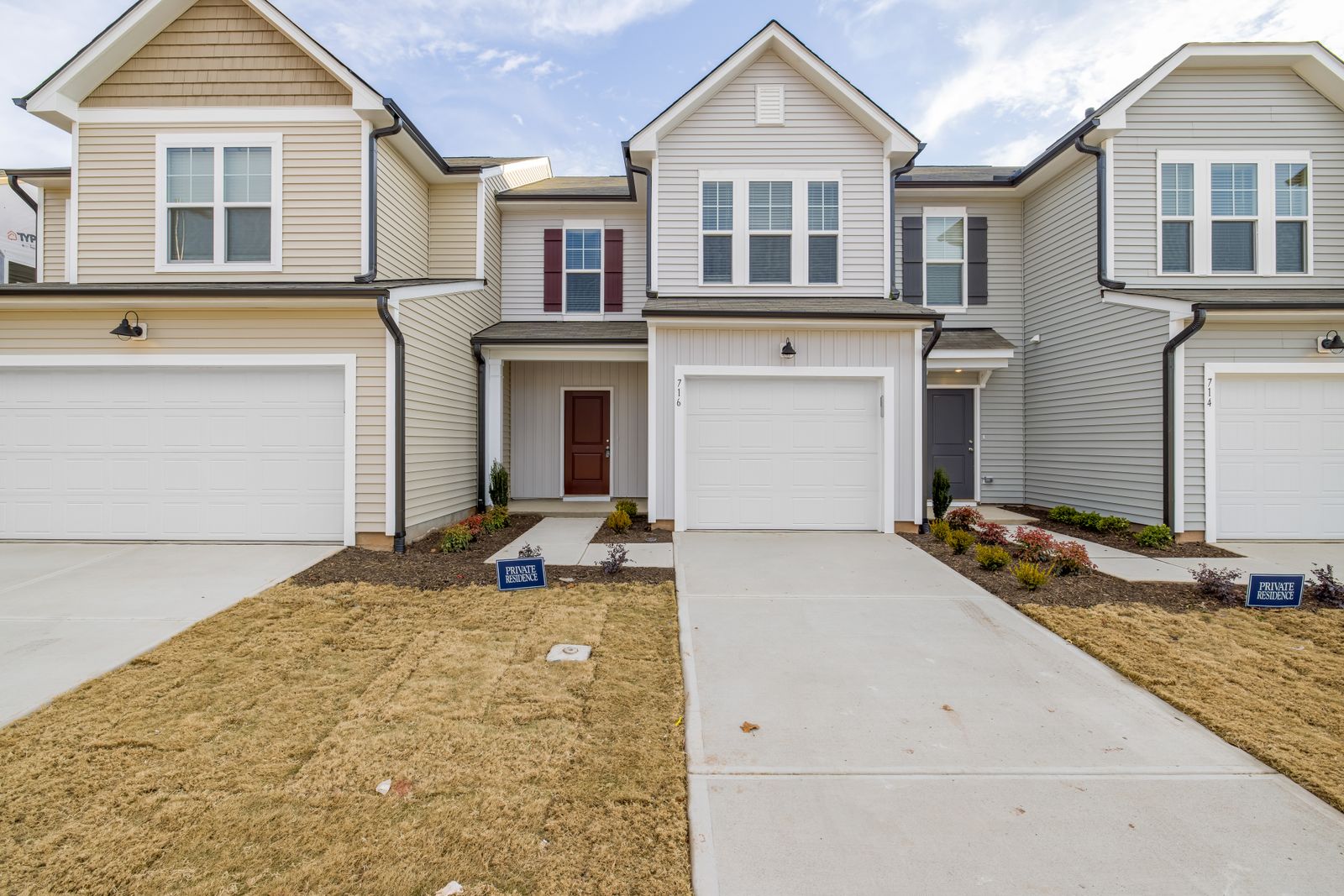
Exterior cleaning should start with the surface material, not the machine. Concrete, vinyl siding, painted trim, wood decking and a stained fence can all react differently to pressure and cleaning methods.
The Surface Determines the Approach
- Concrete/walkways.
- Patios/pavers.
- Vinyl or durable siding surfaces.
- Painted/coated exterior surfaces.
- Decks/fences/weathered wood.
- Other suitable hard exterior surfaces.
Matching the Cleaning Method to the Surface
Loose dirt, organic growth and embedded stains do not respond the same way. Some embedded stains or discoloration may remain after cleaning. Some surfaces tolerate more pressure; others are safer with a gentler approach. Material and coating condition should guide the method.
Existing Damage & Loose Coatings
- Loose paint.
- Cracked stucco/masonry.
- Rotten wood.
- Loose siding.
- Failed caulk/joints.
- Damaged mortar.
- Surface already delaminating.
Cleaning should not be used to finish removing a coating that is already failing unless that is the intended, appropriate project.
Power Washing Questions
Can all siding be pressure washed the same way?
No.
Does cleaning repair damaged wood or paint?
No.
Water direction matters during cleaning too. The project should avoid forcing water into open joints, vents or damaged exterior transitions.
- Primary surface material.
- Adjacent sensitive surfaces.
- Existing cracks/rot/loose coating.
- Type of buildup.
- Drainage/water direction.
- Access to water/power where required.
- Repair/refinish work needed afterward.
Cleaning should also be sequenced before refinishing projects. Washing a deck or fence immediately after a new stain project would make little sense, while cleaning before planned painting can be part of preparation when the surface and coating system support it.
Windows, doors and vents near the cleaning area should be checked so water is not driven through known failed seals or open joints.
Where runoff crosses landscaping or finished interior thresholds, water control should be planned so cleaning does not create a new mess in an adjacent area.
If several surface types meet in one cleaning area, the method should change as needed rather than using the most aggressive setting across all of them.
Use the site chat with the surface material, coating condition and the buildup or stain you want addressed.