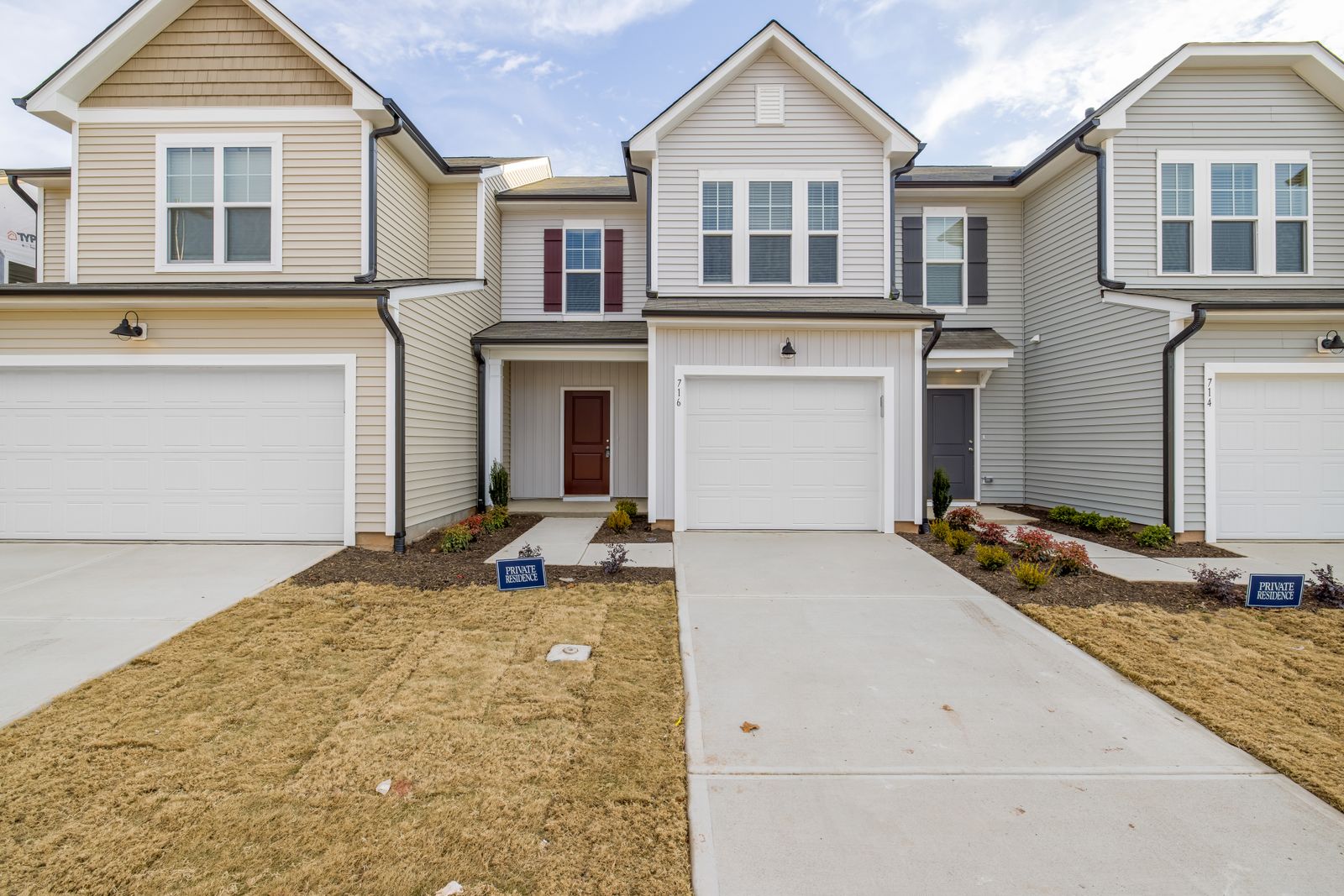
A garage door is a large moving system made of panels, tracks, rollers, hinges, cables and balance components. The door itself should be separated from the opener and safety sensors because each can fail independently.
Do Not Diagnose the Motor Before Checking the Door
A garage opener can appear weak when the door is mechanically binding or poorly balanced. The door system should be considered first if panels, tracks, rollers or balance components are damaged.
Panel replacement also needs compatibility with the existing door. One damaged panel may be serviceable if a matching section is available, while broad deformation can make full replacement more practical.
What to Have Ready
- Door size/configuration.
- Panel damage.
- Track/roller condition.
- Door sits level or uneven.
- Noise/binding during movement.
- Opener/sensor symptoms separated from mechanics.
- Weather seal condition.
- Repair vs replacement goal.
High-tension springs and cables require professional service because they can store dangerous energy; they should not be adjusted or released as a DIY task.
Door Panels, Tracks & Rollers
Bent panels, damaged rollers or distorted tracks can cause the door to bind, sit unevenly or make unusual noise. The condition should be evaluated before assuming the opener is at fault.
Cables, Balance & Hardware
Garage-door balance components can store significant energy. Service involving springs, cables or related high-tension components belongs in professional repair scope and should not be treated as a DIY adjustment.
Alignment, Sealing and Repair-or-Replacement Decisions
A door that does not close evenly can leave gaps at the bottom or sides. Track and panel alignment should be corrected before assuming weather seals alone will solve the opening. One damaged panel or roller may be repairable. Widespread panel damage, repeated mechanical failure or a door system that no longer fits the opening can make replacement more practical.
Weather Exposure and Bottom Sealing Are Part of the Finished Door
A garage door can operate mechanically but still leave large perimeter gaps. Bottom seals, side seals and panel alignment affect how the opening handles wind, rain and debris.
Those sealing details should be addressed after the door sits correctly in the tracks, not used to hide an alignment problem.