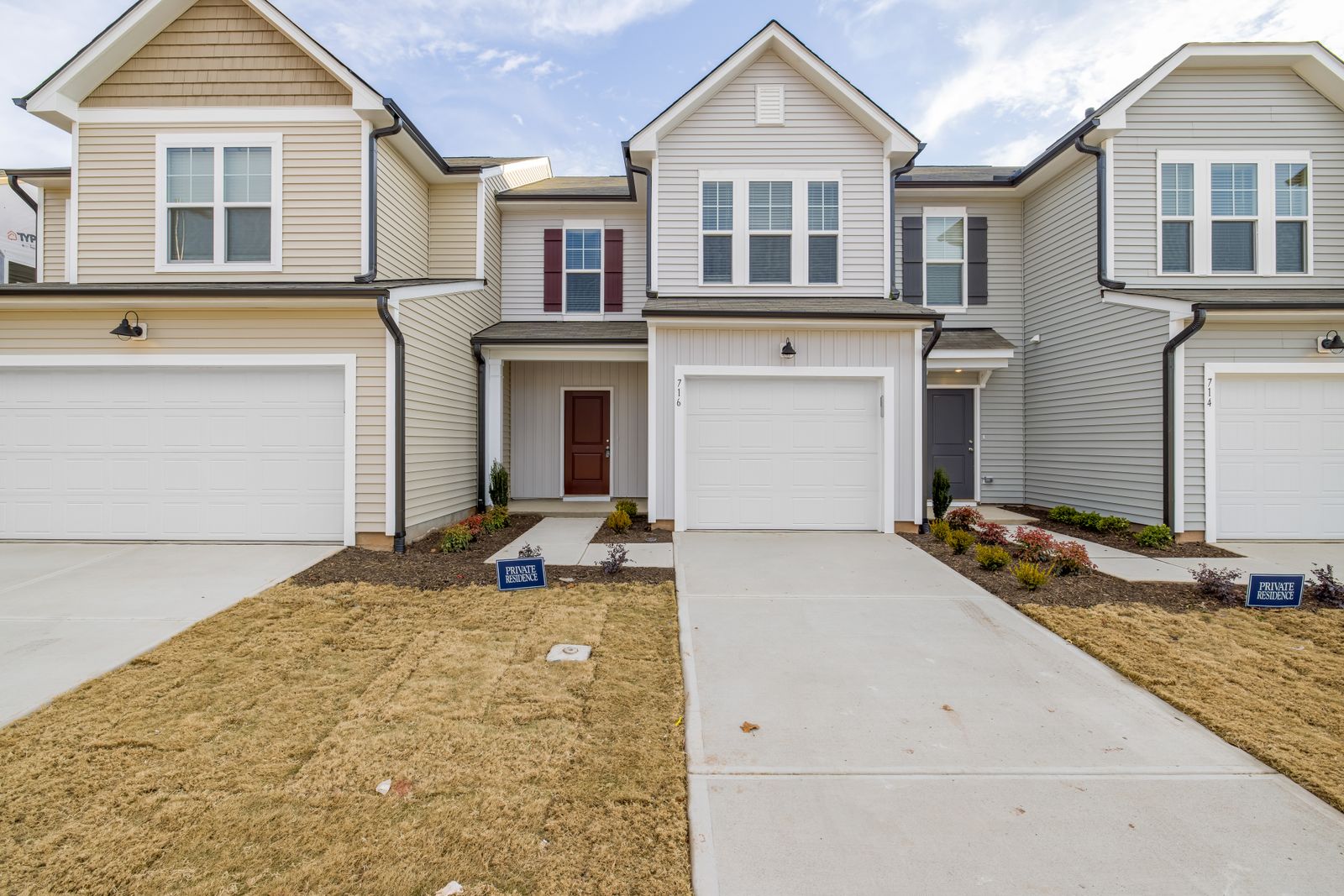
An entry door is both a moving door system and part of the exterior envelope. Replacement decisions should consider the slab, jamb/frame, threshold, weather sealing, hardware and exterior trim rather than looking only at the door face.
Door Slab vs Prehung/Frame Scope
A slab-only replacement reuses more of the existing frame and requires the opening to be suitable. A prehung system replaces the door and its frame as a coordinated unit.
Planning the Complete Entry-Door Opening
Rot, movement or out-of-square conditions can prevent a new door from operating correctly. Frame problems should be resolved rather than hidden behind a new slab. The bottom transition manages foot traffic and weather exposure. A damaged sill or threshold can contribute to drafts and water entry even when the door slab is sound. The new door should work with the selected handle/lockset and strike alignment. Existing hardware may be reused only when it is compatible with the new system and desired scope.
Replacing the frame can affect exterior casing or siding around the opening. These transitions should be included in planning.
Drafts and Water Can Come From the Opening, Not Only the Slab
A new door slab cannot correct a failed threshold, deteriorated jamb or poorly sealed perimeter. Those conditions should be identified before the replacement scope is selected.
The decision between slab-only and prehung replacement often depends on the frame. Keeping a sound frame can reduce disturbance, while replacing a damaged frame provides a chance to rebuild the entire opening as one system.
- Door size/type.
- Slab-only vs full frame goal.
- Jamb/frame deterioration.
- Threshold/sill condition.
- Draft or water-entry location.
- Hardware/lockset plan.
- Exterior trim/siding condition.
- Swing direction and clearances.
Security-related hardware is discussed at the door and lockset integration level without promising security outcomes.
Door Swing and Interior Clearance Affect the Finished Opening
Changing hinge side or swing direction can affect switches, furniture, stairs and circulation inside the entry. A replacement project should preserve or intentionally change that movement rather than discovering conflicts after installation.
Exterior steps, storm doors and nearby railings can also limit how the primary door operates.