Poker tables can be folding, leg-supported, pedestal-based or cabinet-style furniture. The support system and tabletop size determine how the table should be assembled and positioned.
Identify the Table Style
Table Support, Level Placement and Service Boundaries
The base should be secure before the top is treated as final. Rails, cup holders and inserts should align without forcing the tabletop. The table should sit stably on the actual floor. Protective feet or levelers should be used only as supplied. A pool/billiards table has a more specialized bed, rail and leveling context and should use the dedicated page. Poker-table tops may have felt, padded rails or finished inserts that are easier to damage than ordinary furniture surfaces. Assembly should avoid using the playing surface as a workbench for loose hardware or tools.
If the table has folding legs or a reversible top, the moving mechanism should be checked after the table is upright. A stable final position matters more than forcing every fastener as tight as possible while the table is upside down.
- Support structure is stable.
- Top sits correctly on base.
- Rails/accessories are aligned.
- Folding/locking hardware operates where included.
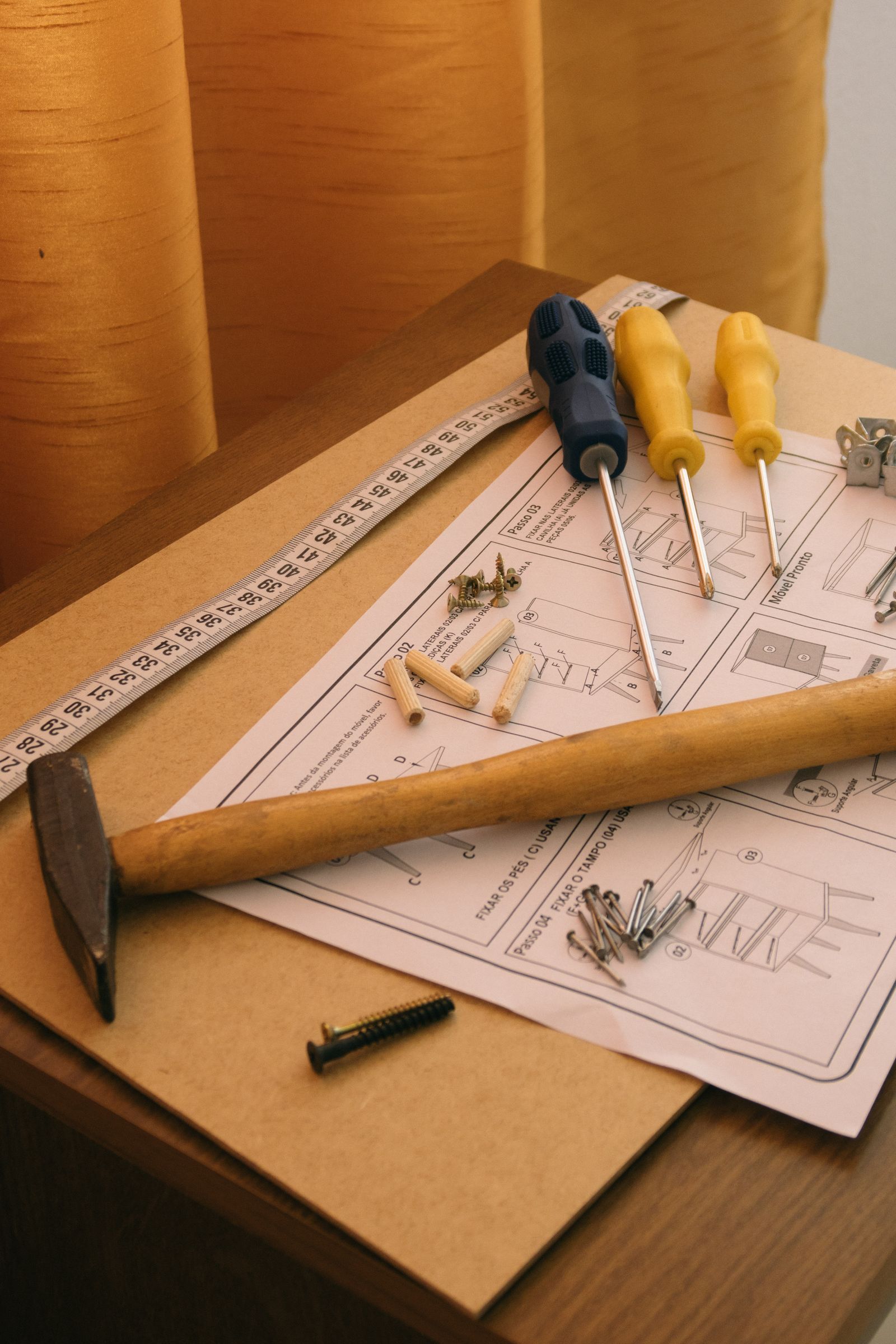
- Playing surface is protected from assembly damage.
- Final table is level enough for normal use.
If the table includes a removable dining cover or reversible top, those pieces should be stored or seated without placing pressure on the felt or rail. Assembly should preserve the playing surface rather than treating every top panel like ordinary furniture. If the table has a heavy one-piece top, the room access and lifting path should be planned before the base is assembled. A pedestal can be easy to build but still make the top awkward to position if the surrounding space is too tight.
If the table is part of a dining/game combination, removable tops and inserts should be identified before assembly. Those pieces may change the final height or how the base supports the playing surface. Cup holders, chip trays or removable inserts should be checked only after the table is stable, because a twisted tabletop can make accessory openings look misaligned even when the accessory itself is correct.
Use the site chat with the table style, packaged tabletop size and final room.