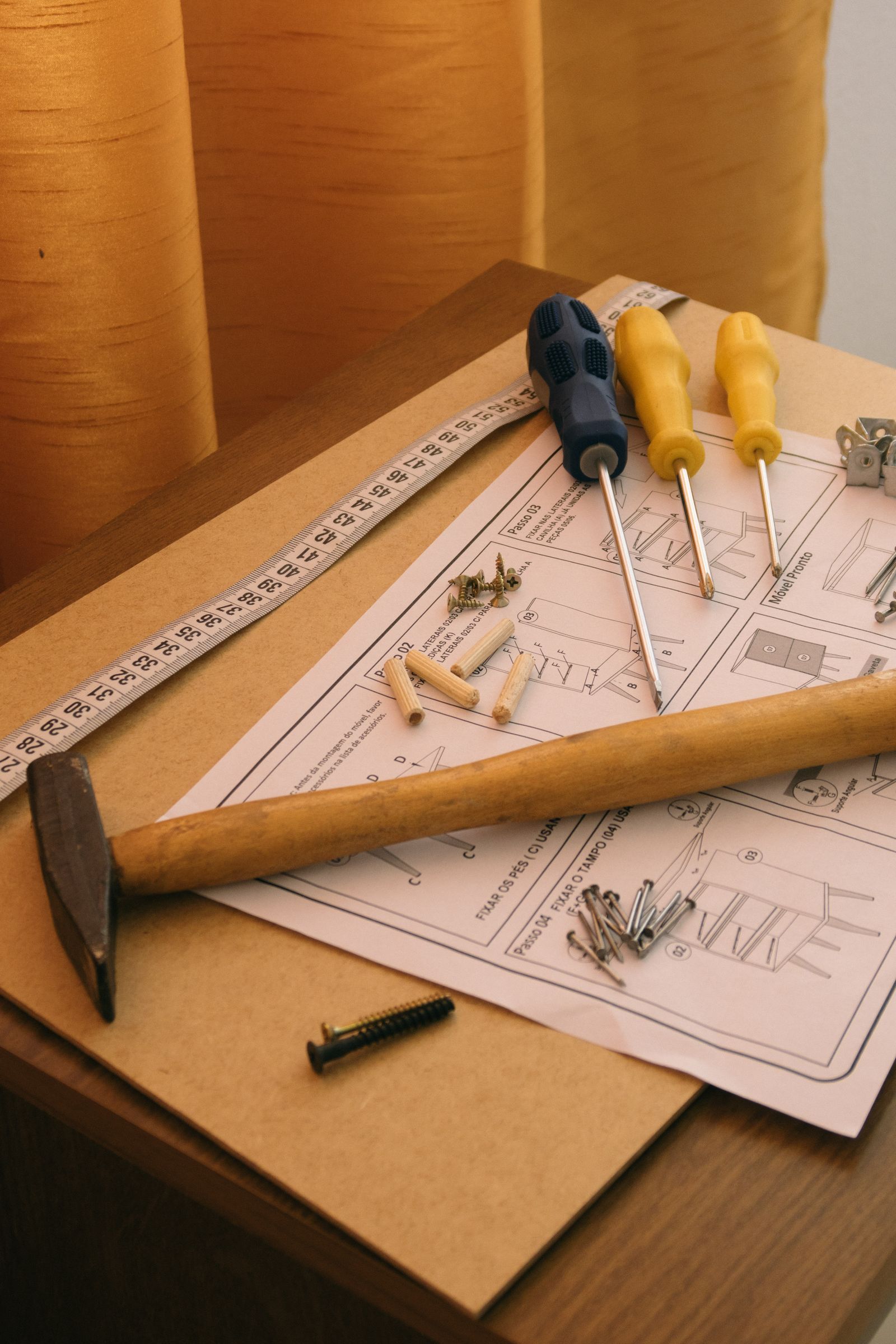
Flat-pack and multi-section arcade products can include cabinet panels, control decks, displays, speakers and manufacturer-supplied wiring harnesses. The project is closer to powered cabinet assembly than to a simple game table.
Identify the Arcade Cabinet Before Assembly
The product may arrive as a mostly built cabinet, a few large modules or many flat-pack panels. That changes access, assembly order and how much room is needed.
Cabinet Placement, Power-On Checks and Service Scope
The finished cabinet needs enough room for doors/panels, ventilation openings and normal use. If the manufacturer provides restraint hardware, installation depends on the wall/support condition. Powering on a correctly assembled unit is different from diagnosing a failed screen, controls or internal power system. Pinball, air hockey, foosball and billiards have their own pages because their mechanical setup is materially different. Even when electronics are prebuilt modules, the cabinet should be assembled so connectors are not trapped, pinched or made inaccessible behind panels. Control decks and displays may need to be connected before the final cabinet sections close the interior.
The final location matters for more than appearance. Powered arcade cabinets need access to their normal power cord and should have the clearance the product expects around doors, control panels or ventilation openings. Those are product-placement questions, not claims about modifying household electrical service.
- Cabinet stands stable.
- Control deck is aligned and accessible.
- Display module is secured as supplied.
- Manufacturer connectors are seated without being pinched.
- Power cord reaches an existing suitable outlet without modification.
- Ventilation/opening clearances remain unobstructed.
If the cabinet includes doors, coin-style access panels or rear service panels, those openings should remain usable after placement. Pushing the finished cabinet tightly against a wall can make future access to normal product connectors unnecessarily difficult. Before the cabinet is pushed into its final position, check that any rear access panel, power switch or manufacturer service opening remains reachable. That small placement decision can make later normal product access much easier.
Use the site chat with the cabinet model, whether it is flat-pack or multi-section and the final room.